Resources for Your Delight in God

← Return to Articles


Psalm 111:2 – “Great are the works of the Lord, studied by all who delight in them.”

God’s works are amazing. We know this is true because we’ve experienced it over and over again. Each day we have a thousand reasons to give thanks to God. And at certain moments in our lives, God works in particularly significant ways that are worthy of repeating (“I will give thanks to the LORD…in the congregation…” Psalm 111:1). Even in the middle of the most difficult circumstances, we have real, tangible reasons to delight in God, particularly that he is with us in the valley (“…I will fear no evil for you are with me…” Psalm 23:4) and that he intercedes for us (“…the Spirit himself intercedes for us with groanings too deep for words…” Romans 8:26). Often, it’s the moments of deep darkness where God works in us the spiritual formations that we later share with others: “…who comforts us in all our affliction, so that we may be able to comfort those who are in any affliction, with the comfort with which we ourselves are comforted by God” (2 Corinthians 1:4). God is at work, using His Word to shape us and fashion us in the likeness of his Son Jesus Christ. And all of this is for our delight in him.

At Hampton Park, we want to grow your delight in God. And according to Psalm 111:2, your delight in God both fuels your desire to study his works and results from your study of his works. It’s a cycle of joy in God. Who are those who study God’s works? They are those who delight in God’s works. And what happens when those who delight in God’s works study his works? They delight in God even more and thus desire to study His works more. May God work this cycle of delight into each of our lives!

One of the ways we want to encourage your delight in God is by putting a variety of encouraging resources at your fingertips that will help you study God’s works, fueling your delight in Him. Here are some of the resources that you have access to as a member of Hampton Park.

Sermon Archive – We have an audio/video resource library of every sermon preached at Hampton Park since the year 2000. And you can filter this library by the Scripture passage, speaker, or sermon series. Did you encounter a difficult passage of Scripture recently? Go to our sermon library and see if there’s a sermon on that passage. Miss last week’s sermon? Catch up by watching to see what God is teaching our church family. There are few things that will stir your joy in God more than listening to God’s Word preached!

Dwell – This app is the go-to app for listening to Scripture. It includes a variety of translations, playlists of specific topics, or Scripture-listening plans. Listen on your way to work or school or as a family in the evening! It’s free to you as a member of HPBC to fuel your delight in God.

RightNow Media – RightNow Media is a library of videos and video series for all ages on various topics. There is a lot in this collection of resources that is really helpful. And we’ve even created a group of recommended resources that you can see here. We hope this resource will encourage you and your family to delight in God. (Disclaimer: We would not recommend all of the resources on RightNow Media. So, if you have a question, please reach out!)

Articles – We have a growing list of articles on our website that range from meditations on Scripture texts to pastoral interviews to sermon clips to pastoral statements on various topics. We plan to continue to post many more of these in the coming year, and we hope these encourage your delight in God.

Member Testimonies – One of my favorite resources on our website is our video library of member testimonies from our Evening Gatherings. You can watch baptisms or hear stories of God’s grace or watch gospel partner interviews all on this page of our website. (Note: this page of our website is password protected for members only. If you need the password, please contact the HPBC office.) Watch and be encouraged to delight in God!

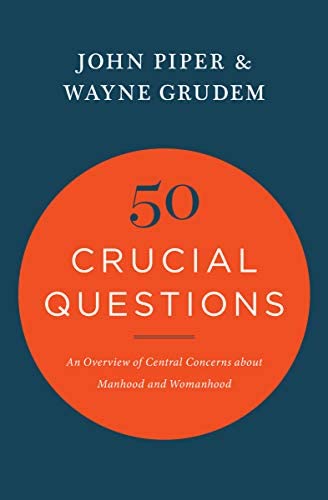
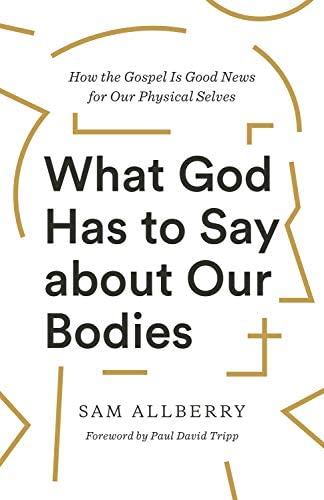
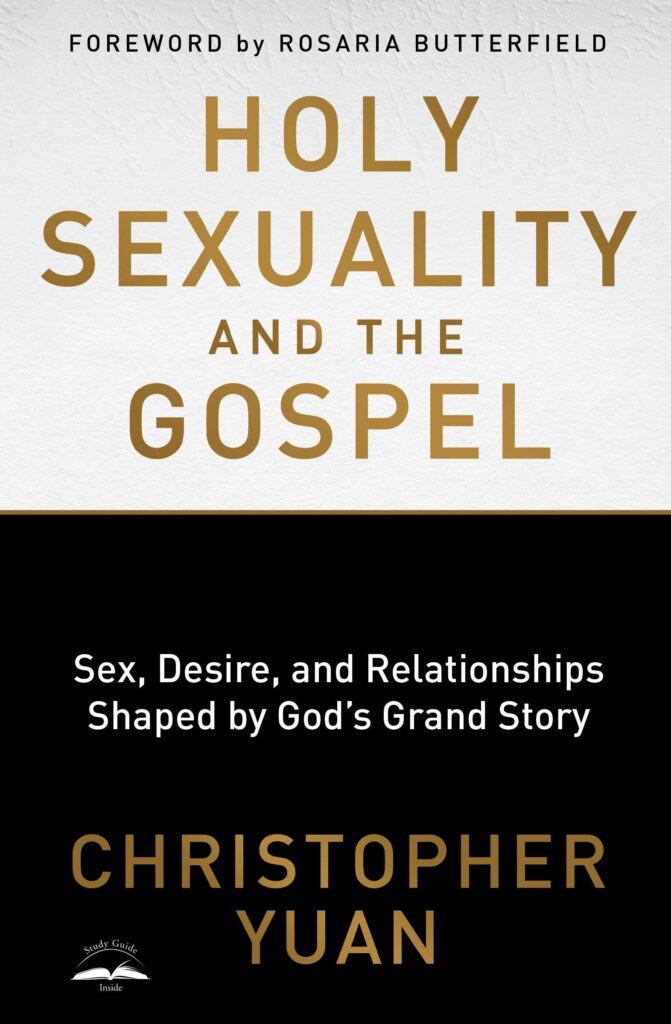
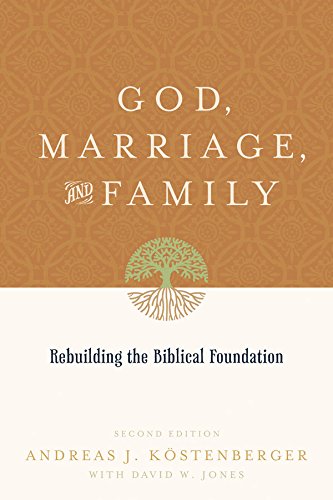
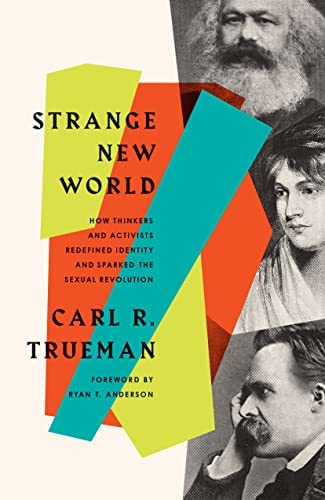
Online Bookstore – The pastors have compiled a list of recommended resources into an online bookstore with heavily discounted books. We just recently added a section on Biblical Manhood and Womanhood. We’ve chosen these resources because we believe that they point you to gospel truth in various areas of life and that as a result, they will fuel your delight in God.

We hope that you will take advantage of the many awesome resources that you have as a member of our church. Use them in your personal worship, family worship, or in your discipleship with other members of our church. There are even resources here that you can use to help you in your evangelism. Through them, may God be lifted up in our minds and hearts so that we delight in him and desire to pursue him even more.

← Return to Articles


Have you ever had the experience of trying to explain a matter to someone while watching them become distracted by a single word or phrase, thus missing the point? This happens when we listen to others for what we want to hear, rather than hearing what is actually being communicated. I’ve sometimes wondered what biblical writers would think of many of the controversies over what they wrote. Perhaps their response would be, “You are missing the point!”

In our current sermon series on 1 Thessalonians, Pastor Conley made this excellent point in his sermon introduction to one of the most debated passages in this letter (and even in all of Scripture), 1 Thessalonians 4:13-18. His introduction considered this question: is it possible that all of the debate surrounding this text actually misses the point of why it was written? If this text was intended to be the center of a controversy, would Paul have chosen to end the paragraph with these words: “Therefore encourage one another with these words”?

There are two main reasons why I would encourage you to listen to this sermon introduction again.

  1. Four Cautions. Pastor Conley gives four helpful cautions for how we approach this biblical text and really any text of Scripture, particularly “controversial” ones. The cautions are vital to helping us not miss the point of what the biblical authors are saying. Listen to the cautions, write them down, and let them instruct your interpretation of Scripture.
  2. Theological Humility. Towards the end of the introduction, Pastor Conley displays exemplary theological humility, culminating in this statement: “I’ll just confess when I thought about this text some months ago, thinking about preaching on it, I didn’t know that I would be preaching it the way I’m going to be preaching it today. And I think I was better served to read what the text says and what it communicates to us.” No pastor is above Scripture. Rather, a faithful pastor submits himself to what God has actually said, adjusting as needed. This is Life by the Book in action. Praise God for a preaching pastor who leads this way!

Watch the clip below, then the whole sermon, and be encouraged!

← Return to Articles


General

Biblical Manhood

Biblical Womanhood

Human Sexuality

Teen Resources

Upper Elementary and Middle School Resources

Children’s Resources

← Return to Articles


God’s Design and the Value of Men and Women:

God created both man and woman equally in his image and with his blessing. Men and women, therefore, share intrinsic dignity and value (Genesis 1:26-28). We do not self-create who we are nor can we choose an identity contrary to what God created us to be. God’s design of male and female is good, and believers should therefore submit to God’s created design, joyfully accepting God’s purpose for sex and gender.

Distinctions and Interdependence for Men and Women:

God created man from the dust of the ground (Genesis 2:7), so his focus was to cultivate the ground as the initial phase of subduing the earth and exercising dominion over it (Genesis 2:15). God then said that it was not good for the man to be alone (Genesis 2:18) and created woman from Adam’s side (Genesis 2:21) to correspond to him and complete him (Genesis 2:18). He valued, cared for, and loved her (Genesis 2:23). God created man before creating woman in order to demonstrate man’s headship and charge to take responsibility for her (1 Timothy 2:12-14). The sexual binary (male-female) displayed in their biological genetic makeup and in their distinctive physical appearance and function is designed for the sake of completing one another and being fruitful. Rather than comparing and fixating on their differences, men and women pursue their purpose and God’s blessing through the Creation Mandate by filling the earth in order to subdue it (Genesis 1:26-28). This mutual dignity, value, and interdependence extends beyond husbands and wives to all men and women in their need for beneficial interaction and respectful interdependence.

Biblical Manhood:

Biblical manhood (or masculinity) is displayed in a benevolent and sacrificial leadership which owns responsibility for self and others, cultivates the fruitfulness of God’s creation, and provides for the defense, protection, and prosperity of others. This leadership is fulfilled under the authority of God’s Word applied to various contexts (Ephesians 5:21-33, 6:1-4; 1 Corinthians 16:13-14; 1 Peter 3:7). Therefore, all expressions of manhood which devalue or abuse men and women are unbiblical and harmful.

Biblical Womanhood:

Biblical womanhood (or femininity) is displayed in a caring and sacrificial focus which helps others flourish, cultivates human fruitfulness, and joyfully supports God’s created design for submission to her own husband and affirmation of  leadership from worthy men under the authority of God’s Word applied to various contexts (1 Corinthians 11; Titus 2:3-5; 1 Peter 3:1-6). Therefore, all expressions of womanhood which oppose or undermine the distinctiveness between men and women are unbiblical and harmful.

The Effects of the Fall on Men and Women:

Struggles between men and women are a result of the Fall and ongoing human sinfulness and not a result of God’s good design. The very areas that God designed to bring joy would bring suffering. Conflict entered human relationships. Pain would characterize childbirth for the woman. Thorns, thistles, sweat, and death would add pain and difficulty to man’s efforts to cultivate the ground (Genesis 3:16-19).

The physical and relational effects of the Fall reflect the harm of deviating from God’s design for creation. Such effects cannot be used to validate behaviors contrary to that design (Matthew 19:4-5). Both the Old Testament and New forbid attitudes and acts of sexual disobedience (Leviticus 18; Leviticus 20; Deuteronomy 22:22-30; Romans 13:13; Colossians 3:5-6; 1 Corinthians 7:1-9; Hebrews 13:4). Divorce reflects human hardness of heart contrary to God’s good design (Matthew 19:8; 1 Corinthians 7:10-16), but His instruction concerning it displays His protection for the innocent (Matthew 19:9) and the vulnerable (Deuteronomy 24:1-4; Malachi 2:13-16).

Unity in Christ:

Men and women stand united and on equal ground at the foot of the cross (Galatians 3:28). Jesus Christ demonstrated the high value of women in contrast with the customs of the times (John 4; John 11:1-44; John 12:1-8; Luke 7:36-50; Luke 10:38-42; Luke 8:1-3). 

Men and Women in the Church:

God’s design for men and women continues among His redeemed people in the life of the church. God has given the role of elder/overseer/pastor and the functions of authority over the congregation and authoritative teaching in gathered worship to gifted and qualified men (1 Timothy 2-3). That being the case, men and women are equally indispensable to the life and mission of the church (Philippians 4:2-3; Romans 16:1-16) and should be pursued to use their spiritual gifts in the church to encourage and edify the body as a whole (1 Corinthians 11:11-12; 1 Corinthians 12; Ephesians 4).

Therefore:

Men and women should not blur lines between one another in their actions or appearance since the differences between man and woman come from God’s design and purpose (1 Corinthians 11:2-16; Deuteronomy 22:5). Sexual self-conceptions and practices at odds with God’s sovereign creation and Scriptural instruction are contrary to God’s will and man’s good. By the power of Christ’s saving work and the indwelling Spirit of God, believers can wage spiritual war against any sinful deeds and desires (1 Corinthians 6:11)

Men should joyfully take responsibility to lead in every sphere over which God has given them accountability, knowing that God will judge them for the fruitfulness of those under their care (Matthew 25:14-30). They must lead for the benefit and flourishing of others and not their own glory or position (1 Corinthians 11:7).

Women should fearlessly conduct themselves to strengthen others in every sphere in which God has given them opportunity, knowing that God will work fruitfulness through faithful submission to His Word (Titus 2:1-5; 1 Peter 3:1-6; Philippians 2:12-13; 1 Timothy 2:15). Men and women should treat one another with the love and deference due to fellow heirs in the family of God (Galatians 3:28-29). The love of believers is characterized by obedience to God’s standards for how we are to relate to one another and submitting to the authority of Scripture in all aspects of life (Matthew 22:37-40).

← Return to Articles


Introduction
For clarity and continuity, we are following a Biblical chronology to address this topic.
1. God’s Perfect, Good Design for Man and Woman
2. Man’s Fall and the Damage It Did to the Relationship between Men and Women
3. Christ’s Exemplary Relationship with Women
4. Apostolic Instructions for Men and Women
     Married Couples
     Church Congregations
5. Contemporary Applications

1. God’s Perfect, Good Design for Men and Women (Genesis 1-2)
God created human beings, both male and female, in His image. Both men and women, therefore, have intrinsic dignity and value as image-bearers of God. They are of the same substance—Eve was taken from Adam for Adam. As husband and wife, they are inseparably close and mutually interdependent. It was not good for Adam to be alone. Eve corresponded to him and completed him. He valued, cared for, and loved her. Their distinctive maleness and femaleness are integral to their interdependence. This mutual dignity, value, and interdependence extends beyond husbands and wives to all men and women in that as image-bearers of God, they need human relationships built on beneficial interaction and respectful interdependence. The sexual binary (male-female) displayed in their biological genetic makeup and in their distinctive physical appearance and function God clearly designed for the sake of completing one another and being fruitful. As such, the sexual binary is necessary to and consistent with God’s Creation Mandate and blessing. Through procreation they were to multiply and fill the earth in order to subdue it and manage it with its resources, plants, and animals (Genesis 1:26-28). 

Adam was created from the dust of the ground, so his focus was to cultivate the ground in the initial phase of subduing the earth and exercising dominion over it. Eve was created from Adam’s rib, so her focus was to help him and complete him relationally and vocationally. Beyond the exclusive union of husband and wife, all the human community of men and women should be working together to fulfill God’s purpose and enjoy God’s blessing.  They do so not by erasing their distinctive identities as male and female, but by valuing those distinctives in what each brings to fulfilling the Creation Mandate and enjoying God’s blessing.
 
2. Man’s Fall and the Damage It Did to the Relationship between Men and Women (Genesis 3)
Humanity’s sinful fall marred the work of both men and women. The very areas that God designed to bring joy would bring suffering. Pain would characterize childbirth for the woman (Genesis 3:16a). Thorns, thistles, sweat, death, and decomposition would make man’s efforts to cultivate the ground difficult and painful (Genesis 3:17-19). 

Humanity’s sinful fall marred the relationship between husbands and wives. The wife would desire mastery over her husband, and the husband would abuse his God-designed leadership (headship) over his wife, either by harshly subjugating her or by passively neglecting his duty to lead (Genesis 3:16b; Genesis 3:6; cf. 1 Timothy 2:13-14). Both are prone to blame-shifting, as Adam and Eve illustrate (Genesis 3:12). 

During the period of the Judges, when everyone was doing right in his own eyes, we see fallout from both the neglect and the abuse of God-given roles (Judges 4:4-10—Deborah and Barak; Judges 8:30, Judges 9—Gideon’s many wives and Abimelech’s resulting reign; Judges 11:1-2—Jephthah’s treatment as son of a prostitute; Judges 13-16—Samson’s moral sins; Judges 19-20—the Levite’s mistreatment of his concubine, her rape and murder, and the subsequent civil war).

Every deviation from God’s good created design brings harmful effects on humanity and dishonors God. Both Old Testament and New therefore forbid such attitudes and acts of disobedience and chronicle their destructiveness: sexual immorality, impurity, both heterosexual and homosexual; polygamy, polyamory, concubinage, and abuse; rape and bestiality (Leviticus 18; Leviticus 20; Deuteronomy 22:22-30). Unwarranted divorce reflects human hardness of heart contrary to God’s good design (Matthew 19:8), but God’s instruction concerning it displays His provision of legal protection for the innocent (Matthew 19:9) and the vulnerable (Deuteronomy 24:1-4; Malachi 2:13-16). Biblical grounds for divorce involve the violation of the exclusive sexual union between husband and wife (Matthew 19:9) or the abandonment by an unbelieving spouse (1 Corinthians 7:15).

The Bible records the sins and contributions of both men and women in these areas. Both are accountable. Both have need of a Savior. In faith, Adam named his wife Eve (“living”) because she would be the mother of all living and from her would come the promised Savior. When she bore her first son, she declared, “I have gotten a son [from] the Lord,” reflecting her expectation that the promised offspring would come as the Lord promised.

Both godly men and godly women can live in a way that displays God’s recovery of humanity from the curse of sin. Both Old and New Testaments use the healthy husband-wife relationship as an image of God’s joyful steadfast love for His people and their faithful submission to and reliance on Him (Isaiah 62:4-5; Ephesians 5:22-33). This picture is the ultimate purpose of marriage until it is fulfilled and therefore superseded in our final state of glorification. Both Old and New Testament present a high view of worthy manhood (Psalm 112) and worthy womanhood (Proverbs 31:10-31).

3. Christ’s Exemplary Relationship with Women
While on earth Jesus Christ demonstrated what healthy manhood looks like even apart from marriage, including a high view of women that caused them to flourish. In contrast to the customs of the times, Christ freely conversed with women, valued them, healed them, and taught them (John 4; John 11:1-44; John 12:1-8; Luke 7:36-50; Luke 10:38-42). Women supported His ministry and traveled with Him and the disciples (Luke 8:1-3). They felt safe with Him, respected Him, and were among His closest friends. He did not undermine the leadership of men nor did He denigrate the worthiness of women. As Head of the Church He provides a husband the ultimate model of sacrificial love and gentle, health-promoting leadership that a husband is to show his wife, making her willing, respectful support of his leadership the natural response (Ephesians 5:21-33).

4. The Apostles’ Instructions for Men and Women
Imitating the example of the Lord Jesus, the apostles regularly serve alongside of women in their missionary endeavors, calling them co-laborers, patrons, servants/deacons (Philippians 4:2-3; Romans 16:1-16). They root the distinctive roles of men and women (such as male-only headship and pastoral teaching) in God’s created order and in the history of the fall, not in current traditions or trends (1 Timothy 2:8-15). They argue that nature itself, established by God’s design in creation, teaches us that men and women should maintain distinctiveness in their appearance consistent with their roles (1 Corinthians 11:2-16). Dress and grooming vary from culture to culture, but the distinction needs to be preserved, as reflected in the prohibition of cross-dressing in Deuteronomy 22:5. 

We find further clues to the characteristic qualities of godly men and women in Peter’s call to husbands to honor their wives as the weaker vessel (1 Peter 3:7). Given his word choice, he seems to be acknowledging characteristic differences in physical strength. The Bible’s position, Old and New Testaments, is always that the strong should be protective of those who are less so, whether referring to political power, socio-economic status, physical condition, or spiritual health (Isaiah 1:17; Micah 3; James 1:27; Romans 15:1). Strikingly, 1 Corinthians 16:13-14 connects “acting like men” to vigilance, standing firm, and strength—all in love. It’s not that godly women cannot have these characteristics, but that godly manliness must display them. So there appears to be a common theme in the instructions to couples and families, that the man is to use his strength not just to lead as the head of the home but to protect and to cherish for the benefit of those he leads in love (Ephesians 5:21-33, 6:1-4).

Married Couples
A wife is to arrange herself under her own husband’s leadership as to the Lord, not as an inferior but as God the Son submits to God the Father, both of the same essence but with different functions. The physical metaphor of the head in relation to the body points to not only the husband’s leadership, but also his care. The head by its very nature does what is beneficial the whole body. Abusive leadership is completely out of bounds. She is to display a quiet spirit, pure and respectful conduct, reverencing her husband so that she helps him fulfill his God-given role. A husband is to love his wife sacrificially, to make a home with her in an understanding way, to value her highly, and to cherish her so that she flourishes into all God has designed her to be (Ephesians 5:21-33; Colossians 3:18-19; 1 Peter 3:1-7). The redemptive work of Christ in believers helps them recover to a great degree even in this life what the fall damaged. In the age to come there will be no marriage, because immortality renders procreation unnecessary to survival of the human race. 

Singles
The value, contribution, and distinctiveness of males and females is not limited to the marriage relationship. Not everyone should marry, and one’s worth of personal identity and of beneficial service to the Lord and other people is not dependent on being married (1 Corinthians 7:8-9, 25-40; Matthew 19:10-12). Jesus Christ the perfect Man was unmarried, providing the highest role model for serving God and others apart from being married. Remaining unmarried allows undivided attention to serving the Lord, especially in times of crisis. There are situations and seasons when remaining single can be a better choice. When discussing church support for older widows who have no family to care for them, Paul encourages younger widows to marry and rear a family (1 Timothy 5:9-16). Believers are to maintain sexual purity and male-female distinctions according to God’s design, as passages on the interaction of a local church body command (1 Thessalonians 4:3-8). 

Local Church Congregations
Both men and women received spiritual gifts sovereignly through the Holy Spirit for the common good of the church body. As such, they display the dignity, value, and interdependence God designed for men and women at the beginning (1 Corinthians 11:11-12). Because qualifications for pastors and deacons are to be exemplary for all the flock, a godly man is to be faithful to his wife, sober-minded, self-controlled, respectable, hospitable, temperate, gentle not quarrelsome, not a money-lover, managing well his household, humble and of good reputation (1 Timothy 3:2-13; Titus 1:5-9). They are to treat younger women with purity as one would a sister, and older women with respect as one would a mother (Titus 2:1-8). In keeping with how a husband is to treat his wife and in keeping with how those who lead and govern do so righteously, men should show strength and courage, and as the strong, gently protect those who are weak or vulnerable (1 Corinthians 16:13-14; 1 Peter 3:7; Ephesians 5:28-29).

Women are to conduct themselves in a way consistent with showing respect for their husband’s authority, not flamboyant or sexually immodest, nor usurping authority over men by assuming the role of authoritative pastoral teaching. In keeping with Eve being created as a helper and companion for Adam, men (including pastors) benefit from the insights, giftings, and labors of godly women. For example, both Priscilla and Aquila help Apollos grow in his understanding of the gospel from just the teaching of John the Baptist to that of Jesus Himself (Acts 18:26). Older women are to be reverent, not slanderers, not slaves to wine. They are to teach the younger women to love their husbands and children affectionately, to be self-controlled, to be pure, to take good care of their homes, to be kind, and to be submissive to their husbands. All of this behavior causes both men and women to flourish and thus commends the power of the gospel to restore the good design God created. For either men or women to do otherwise would be contrary to the created order (1 Corinthians 11:4-10, 13-15; 1 Timothy 2:8-15; Titus 2:1-8). 
The gospel brings equal standing before God for all members of the body of Christ. It does not erase the created distinctions but rather brings blessing through Christ on all the varied members of the body of Christ, Jew or Greek, slave or free, male or female (Galatians 3:26-29).

5. Contemporary Applications
We affirm that the church should make every effort to help men and women flourish according to God’s created design, Christ’s redemptive work, and the Spirit’s sovereign gifting.
We affirm that sexual self-conceptions and practices at odds with God’s sovereign creation and Scriptural instruction are contrary to God’s will and to man’s good. By the power of Christ’s saving work and the indwelling Spirit of God, believers can wage spiritual war against any such sinful deeds and desires, and need not be under bondage to them.

Regarding women serving as deacons: 1 Timothy 3:8-13 refers to women in verse 11. The words translated “their wives” can also be rendered “the women.” Interpreters have to judge from context which translation to choose. Some argue that “their wives” makes better sense from the context. Others point to the reference to Phoebe in Romans 16:1 as a “servant” of the church as better rendered “deacon” because the term uses the masculine form. Historically, the early centuries of the church did use women deacons. Provided the deacons are serving in a way that does not exercise authority over others as overseers, using women to serve as official deacons would not violate the created order. Each church body has to judge the wisdom of doing so given their own history and the general understanding of the congregation at the time.


← Return to Articles


“No!” my 19-month old daughter yelled as she ran away from me into the next room. I didn’t teach her that. She was born that way. But truthfully, she comes by it honestly because I feel the same sentiments inside of me when my authorities ask me to do something that I don’t want to do. My 10-year-old son sometimes reminds me of this as he glances over my shoulder to see the speedometer. I had asked my daughter to hand me the pencil that was in her hand before any self-inflicted wounds could happen. Now, if I didn’t teach her to respond with such brash refusal, where did it come from? Paul calls it a sin nature: “…[we] were by nature children of wrath, like the rest of mankind” (Eph 2:3). She was born with a sin nature that she received from me and that I received from my parents and they received from their parents and on and on like the rest of mankind, back to our first parents Adam and Eve (see Genesis 5:3).

Submission is hard for those of us who have a sin nature. But even 19-month-olds need to learn that they have been born into a world of authority so that when they are 19 years old or 29 years old, they are not having to learn this important life-lesson for the first time. God set up our world as a world of authority. Authorities are put in place by him to promote order, to provide security, to help people flourish. And so, the apostle Peter says with full confidence, “Be subject for the Lord’s sake to every human institution” (1 Peter 2:13). Don’t miss that small prepositional phrase “for the Lord’s sake” (literally: “because of the Lord”). In Peter’s theology, there are no self-made authorities. In the next verse he’ll make this a bit more explicit by saying that these authorities are sent by God (cf. Romans 13:1-5).

If you are anything like me, when you hear this command to be subject to your earthly authorities, you immediately start coming up with exceptions to the command (“But what about if they are evil and hate God?” “What if they tell me to do something wrong?”). Like I said, my 19-month-old comes by it honestly. This knee-jerk reaction misses the point. So, Peter gets really practical and specific, zooming in on those authorities that we might be most likely to justify rejecting: “…whether it be to the emperor as supreme, or to governors as sent by him to punish those who do evil and to praise those who do good” (1 Peter 2:13-14). From our highest governing authorities to local governing authorities, Christians are called to joyful submission. Why? Because in their joyful submission that is witnessed by their governing authorities and neighbors, Christians silence those who would otherwise ignorantly claim that they are a detriment to society. That’s my paraphrase of v.15 (“For this is the will of God, that by doing good you should put to silence the ignorance of foolish people”). God’s will is to magnify the glory of his name by creating (that is, re-creating!) a people with a new nature who live righteous lives of submission to their governing authorities.

And how does God go about re-creating a people who joyfully submit to their authorities? Don’t miss this. He does it by setting them free: “live as people who are free” (1 Peter 2:16). This might send your head spinning a bit. The two commands in this paragraph are (1) be subject…to every human institution and (2) live as people who are free. Now those are two interesting commands to put in the same paragraph! Interestingly, only one of them is actually a command: be subject (v.13). The other is not a command but literally reads, “as free people.” There’s no main verb in v.16. This verse is simply following up on the command from verse 13 and adding to our understanding of it. So, putting this together, the command in 1 Peter 2:13-16 is this: “be subject…to every human institution…as free people…”

So, how do we reconcile these two seemingly contradictory themes (submission and freedom) that are sandwiched together in this paragraph? The answer, I believe, is found in a proper understanding of Christian freedom. Christian freedom is not the absence of authority. Rather, Christian freedom is the right ordering of authorities. In fact, Peter defines a life of freedom as putting ourselves under the authority of God, our ultimate authority: “live as people who are free, not using your freedom as a cover-up for evil, but living as servants of God” (1 Peter 3:16). Peter says that God is the ultimate authority who sends earthly governing authorities to act on his behalf, encouraging good and punishing evil. So, somewhat paradoxically, Christian freedom is the basis or foundation of our submission to our governing authorities. The knee-jerk reaction of the re-created servants of God with new natures is a freedom to joyfully submit to their governing authorities.

So, brothers and sisters, live as those who are free. Rightly order your authorities. This is how Peter ends this section (in v.17), by re-emphasizing the ordering of our relationships and authorities. He does this through a chiasm of sorts, emphasizing the middle portion:

A – Honor everyone. (broad earthly relationships)

B – Love the brotherhood. (broad spiritual relationships)

B1 – Fear God. (highest spiritual authority)

A1 – Honor the emperor. (highest earthly authority)

As Christians, you are free to live as servants of God. You are not chained to your former, sinful knee-jerk rejection of authority. As Christians, you are free from your culture’s tendency to speak ill of authority. As Christians, you are not bound to walk in lock-step with any particular party’s platform or rallying cries. Your ultimate authority is higher than that. You are free to live as God’s servant, following his commands, to the glory of His great name. May we joyfully live this way as we enter into another political season.

← Return to Articles


Have you ever noticed how often the Sunday morning and evening sermons have themes that are similar or that fit together nicely? Pastor Conley often comments on this reality during our weekly staff meetings as he gives short previews of the passages on which he is planning to preach. This unity of sermon themes shouldn’t surprise us since we believe in the unity of Scripture, that all of Scripture is consistent and noncontradictory in its message of God, man, sin, and the redemptive story. In fact, we should expect similar themes to be woven throughout various books of the Bible, creating a beautiful picture of the gospel and the Christian life.

The Sunday evening series has recently focused on the relationship of husbands and wives. In three sermons (which you can view here, here, and here), Pastor Conley taught through Ephesians 5:21-33 on God’s desire for the husband/wife relationship to be a clear and beautiful picture of the gospel. The gospel-picture of marriage becomes clear as husbands sacrificially love and serve their wives and as wives joyfully follow the leadership of their husbands. Soon after, during the morning series from 1 Thessalonians, Pastor Conley preached a sermon titled Praying for You from 1 Thessalonians 3:9-13.

The unity of these biblical themes, marriage and prayer, from the morning and evening sermons became evident to me as I thought of a recent resource that I came across called 5 Things to Pray for Your Spouse: Prayers that Change and Strengthen Your Marriage by Michael and Melissa Kruger. This small volume is a short, inexpensive, workbook-style book that you can pick up and use to help you consistently pray specific prayers from Scripture for your spouse. Maybe you’ve wanted to pray for your spouse but have felt stuck saying the same things (“Help him at work today. Help her with the kids at home.”). Or maybe you pray regularly for various needs but haven’t considered including specific prayers for your spouse. Either way, this short, useful book gives you a roadmap to help you pray a variety of things for your spouse that are based on specific passages of Scripture.

Recently, Family Life Today, a helpful podcast on topics related to marriage and family, had Michael and Melissa Kruger on to talk about marriage and prayer, including not just praying for your spouse but praying with your spouse (and kids). The episode is very encouraging and worth the listen. Rather than being left with guilt or unrealistic expectations, you will leave this conversation with practical, realistic ways to include prayer into the rhythm of your marriage and family life.

There may not be any better way to grow your marriage than to pray with your spouse and to pray for your spouse. Praying with your spouse reveals your heart to one another. It gives you a window into what is going on in the other’s life, where her desires are at, what is consuming his thoughts, what are her burdens. Praying for your spouse is taking your thoughts and desires to the one who changes hearts. It is not our role to change our spouse, as much as we might desire that. As Pastor Conley said in his sermon, “God alone knows our hearts, and God alone can fix what is wrong there.” So, brothers and sisters, pray with and for your spouse, and take advantage of these helpful resources to encourage you along the way!

← Return to Articles


This is the second of two articles on the transition of Pastors Gearhart and Bates into their new roles at HPBC. You can read the first, where we interview Joel, here

On December 6, 2020, Andrew Bates (and his wife Sarah) joined Hampton Park Baptist Church because they saw how God was at work here and wanted to be a part of it. Little did they know that God had plans to move him into a staff role less than two years later! Though this was not foreseen by Andrew or HPBC, we thank God for leading in this way over the past nine months. 

Prior to moving to Greenville, Andrew served as a Student Ministries Pastor at Faith Bible Church in Naples, Florida; so he enters into this role with a bit of experience. As he steps into this new role, we wanted to ask him some questions that would help you get to know him a little bit better and give you a small window into his passion to help teens grow to love God and the church. 

Andrew, this is your second time serving as a Pastor for Student Ministries. What was your favorite part of serving in this role the first time around?

Definitely building relationships with the teens and helping them understand the joy of the gospel and living for Jesus.

When you first moved to Greenville, we were at lunch (I think at Italian Garden Restaurant), and you told me that you thought God might be preparing you for a lead or preaching/teaching role in a local church. What did God use to shift your focus back to the possibility of serving in student ministries again?

I realized I wasn’t quite ready to grow up completely! 🙂 Truthfully, the Lord has simply continued to give me a desire to minister to teens and has yet to change that. I get excited about getting to play a small role in the discipleship of teens.

And as a follow-up to the previous question, how did God work in you to give you the desire to do that here at Hampton Park in particular? Over the past couple of years, you told me about several other churches that reached out to you about available staff roles.

The character of the pastoral body and the love of the members of HP makes this a special place. The pastoral body is made up of faithful men who humbly love Jesus and serve the body of Christ. Since becoming a member at HPBC, it has been my prayer that God would lead us to a church where I could serve alongside men like the pastors here. And I would have never believed that it would be here! The Lord has been so kind! Another factor was the timing.  I really wanted to get more than half-way through my degree before stepping back into pastoral ministry, and the timing of this opening worked out really well.

Why is investing in the lives of teenagers such an important and strategic thing to do in the church?

The teens are young adults in the church now, but soon they will make up the families of the church. It is vital that teenagers learn how to be committed followers of Jesus and understand the importance of the local church now, so that when they have families, faithfulness to Christ and his church continues. I hope to help them understand how valuable they are in the Kingdom of God and to recognize that the Lord wants to use them for His glory.

Was there anyone in particular that invested in you as a teenager? If so, who? And how was it meaningful in your life?

My dad. He was my youth pastor, my coach, mentor, and friend. I watched him humbly serve the Lord in vocational ministry my entire life. He was a school teacher/coach, missionary, youth pastor, in Christian college ministry, and current pastor. He has been a true reflection of my heavenly father for me and has had an influence on every aspect of my life.

Dads of HPBC teens, I hope you go back and read again what Andrew just said! So Andrew, in order to give you a nice slow start in your role (I say this tongue-in-cheek), one of the first things you did in your new role was help with Connection Week at HPCS. How was that?!

Unexpected!! Connection Week should have been on the job description. 🙂 It was an absolute blast to get to work closely with Cody, Joel, Eric and Ben leading up to the week. These guys love Jesus and these students! The week really helped me get to know the students, faculty and staff, and make me feel a part of the ministry quickly.

You are a busy man. You have four young children, are working on a seminary degree, and now are taking on this role. How do you balance these various responsibilities/roles?

This is probably a better question for Sarah! She helps me a lot in the area of balance. She is strong, loving, and kind as she supports and helps me. For me it has been a journey of learning to be content with the time God has given me each day. I work hard to dedicate specific time to each of these areas and then trust that the Holy Spirit accomplishes what I can’t do on my own anyway.

For those of you who do not know this yet about Andrew, he rivals John Lehman for being an early-riser! Andrew, what excites you most about being in this role?

Getting to work with the Word of God and people. Every day I get to observe and learn from godly men. I also get to teach, encourage, and disciple others to follow Jesus. Being a pastor is a humbling position in which you realize everyday just how much you need Jesus and his grace.

Brag on Sarah for a minute. How has God used her to encourage and support you over the past several years leading up to your time of stepping into this new pastoral role?

Oh man! She is amazing! She truly loves Jesus and wants her life to bring him glory and reflect him. It was difficult making the decision to step out of vocational ministry and move the family up here to SC, but she never doubted that it was what the Lord was calling us to do. When I had times of discouragement, she was patient and faithful in prayer on my behalf. She is such a godly wife and mother to our children. And she is just as passionate about serving the teens here at HPBC as I am!

Alright, last question for now. What is the best book that you’ve read on ministering to teenagers?

This is a tough one…I know it’s not a book about ministering to teens specifically, but Instruments in the Redeemer’s Hands by Paul Tripp has helped me much in my ministry. It’s a book that reminds me that God uses people (who are themselves in need of change) as instruments of the same kind of change in others. An important part of leading teens toward the gospel and sanctification is making sure they know that I am in the middle of the same process. I need God’s daily grace to love and follow Jesus just as much as they do.

← Return to Articles


This is the first of two articles on the transition of Pastors Gearhart and Bates into their new roles at HPBC. You can read the second, where we interview Andrew, here.

For practically all of Pastor Joel Gearhart’s ministry life, he has been focused particularly on discipling teenagers and encouraging parents to do the same. He’s done this in staff and volunteer roles in various local churches, and for the past 9 years, he has faithfully filled this role at Hampton Park. But all throughout that time, behind and underneath that important ministry, another passion has been stirring that is well-known to all those who know Joel well: God’s work through global missions. 

And so, on September 1, 2022, after hiring Pastor Andrew Bates to fill the role of Pastor for Student Ministries, Joel transitioned into his new role here at HPBC as Pastor for Missions and Outreach. As Joel and Andrew transition into their new roles, we wanted to ask each of them a few questions to give you some additional insight into their passions and desires as they begin. Today, we’ll talk to Joel about his new role in Missions and Outreach. Next Friday, we’ll post a similar interview with Andrew.

Joel, you served as Pastor for Student Ministries here at HPBC for close to 9 years. When you look back on your time in this role, what do you most thank God for?

It has been an incredible privilege to invest in the lives of the next generation of HP. Dawn and I have often said that one of the best parts of teen ministry is when teens become friends. We are so grateful for that opportunity here at HP.

Before we leave reminiscing about teen ministry, I have to ask, "Who was the most annoying teenager during those 9 years?"

Without a doubt, Tom Chapman! Oh, wait, you said teen…

You’re now a full-time Pastor for Missions and Outreach here at HPBC. You are well-known by our pastoral body (and members) as someone who is passionate about missions. When and how did your love of missions start?

That’s something hard to pin down. During my childhood we regularly had missionaries in our home. In junior high I read Daktar: Diplomat in Bangladesh, a book about Viggo Olsen. I often heard about my grandparents’ frequent missions trips. In high school I participated in several trips to serve at Indian Reservations in the Southwest. During college I was significantly challenged as I listened to and read John Piper. These are a few things God used to stir my passion for missions. But, more than all that, I grew up in a home and, therefore a church (since my dad was also my pastor), where missions was never an add-on, but was central to family and church life.

You served as Pastor for Student Ministries here at HPBC and at another church prior to coming here. How many mission trips (both international trips and trips to other places in the US) have you taken with those teens?

Here at HP we have led two teen missions trips to the Yucatan Peninsula in Mexico with our gospel partners Marco and Gwendolyn Nunez (2015 and 2017). We also took the teens to serve at Plant Camp in Utah three times (2014, 2021, and 2022).

At our previous church we took two teen missions trips – one to Uruguay (2004) and one to Germany (2006). We also took those teens to minister at a church in Windsor, Ontario (2007).

Awesome! That’s 8 by my count. Have you been on other mission trips apart from those trips with teens? When/where?

As a teen I participated in two missions trips in the Southwest – one on a Navajo Reservation (near Farmington, NM) and the other on an Apache Reservation (near Fort Thomas, AZ). When we lived in Wisconsin just after we were married, Dawn and I helped lead a teen ministry trip to inner city Baltimore (2001) and the next summer I helped lead the same group on a ministry trip to inner city Minneapolis (2002). More recently, in 2018 Dawn and I had the opportunity to visit several of our gospel partners in China, along with my brother and his family, who where at the time serving there as well.

What is a particular country or missionary that you hope to visit at some point? And why?

So, you want me to pick a favorite missionary?? 🙂 There are a number of people and places I really look forward to visiting. So, I’ll go with Dominica (where Tony and Martha Cornelius and Hudson and Louise Challenger serve), since that is the first place I plan to visit in my new role.

What excites you most about being in this role?

There are a lot of things that excite me. Since I have to pick one, I’d say that it is the chance to get a front row seat as, Lord willing, over the next few years we will have the opportunity to see God direct a number from our body to go to the ends of the earth for the sake of the gospel.

What is your favorite book on missions? And why? (Don’t cheat. You can only choose one for this question!)

Without a doubt it is A Vision for Mission by Tom Wells. A decade ago I was given this little book by my little brother as he and his family were preparing to leave for China. Some books you read and then just put on your shelf. This is a book I read and have continued to go back to again and again and it has had a significant influence on my thinking about missions. The central idea of the book is that God is worthy to be known and proclaimed for who He is. This is core to the missionary motive and message. And those who know the most about God are the most responsible and best equipped to tell others of Him. This is a great place to start for anyone looking to read about missions.

I read that book with you and the interns a couple years ago and agree that it is excellent! What is your favorite missionary biography? And why?

I love the little book John G Paton: Missionary to the Cannibals of the South Seas by Paul Schlehlein. The autobiography of Paton is excellent, but very long. Schlehlein does a great job of sharing significant highlights of Paton’s life and then drawing out lessons for us to learn from his example and story. If you are looking for a great read you should check it out!

(You’ve continually recommended this biography to me, and I have yet to read it. I’m sorry!) What is the most compelling quote you’ve heard on missions?

I have to give two answers to this question. For a long time, the well-known words of Jim Elliot have gripped me. He wrote that “he is no fool who gives up what he cannot keep to gain what he cannot lose.” Elliot lived that to its fullest. The other quote is one that has been up on the white board in my office for several years…at this point it might be permanent. 🙂 I can’t remember where I read it, but it is one that I can’t get out of my head. “It is the pastor’s responsibility and privilege to fan the flame of God’s global glory in the church. Shepherd your people to be disciple-makers among the nations.”

Thanks for sharing all of that! I’m excited to see how God continues to grow our church in this area. I want to shift gears a bit here at the end. Another part of your oversight is local outreach, and you recently told me that you plan to implement a couple of new things at Harvest Happening this year. What are those and why do you see them as a valuable addition to this yearly event for our community?

At Liberty Park (during Plant Camp in Utah with the teens) we used tables with questions on them to engage people in the park in conversation. We plan to do something similar during Harvest Happening. A few of the questions we are thinking of using are “Need Prayer?” and “What is Greenville’s greatest need?”. Our prayer is that God will use these questions to provide opportunities for some of us to have intentional gospel conversations with some of those coming on to our campus.

And finally, is Outreach a program or a way of life? (How’s that for a leading question?!)

Simplest answer I can give is that it is a way of life that on an occasion is programized to rally God’s people during a specific time for a specific task. We are called to be people quick to give answer of the hope that is within us. We are all called to be heralds of the Good News whereever God sends us.


← Return to Articles


Psalm 111:1-4
Praise the Lord!
I will give thanks to the Lord with my whole heart,
in the company of the upright, in the congregation.
Great are the works of the Lord,
studied by all who delight in them.
Full of splendor and majesty is his work,
and his righteousness endures forever.
He has caused his wondrous works to be remembered;
the Lord is gracious and merciful.

Praising God is a good thing to do. In fact, it’s better than a good thing to do. It’s what our life is about. It’s why we were made. God made us to know him, to experience his goodness through his word and works, and to praise him for it. We were made for worship. But in Psalm 111:1, the psalm-writer goes farther than that. He says he will give thanks to God in a particular place: “in the company of the upright, in the congregation.” Now why is that? Isn’t praise more personal than that? Isn’t it about my personal relationship with Jesus?

While we certainly should praise God personally, the manifold reasons we have to praise God ought not stay with us. And Psalm 111:2 tells us why: “Great are the works of the LORD, studied by all who delight in them.” The church (i.e. “the congregation”) is the gathering place of all those who have made God-exalting, Christ-centered, Spirit-empowered worship the delight of their lives. Read that again: the local church is the gathering place of all those who have made God-exalting, Christ-centered, Spirit-empowered worship/praise the delight of their lives. So, when you stand in front of the congregation to testify about God’s work in your life, what used to be reason for one person to thank and praise God has now become reason for hundreds of Christians (depending on the size of the congregation!) to thank and praise God.

Towards the end of 2017, Pastor Conley preached a series of sermons on the topic of Testifying to our church family. Then, at the start of 2018, we began having members of our church testify during our Evening Gathering about God’s goodness and faithfulness in their lives. We’ve heard testimonies of God’s faithfulness in trials. We’ve heard testimonies of God’s graciousness in salvation. We’ve heard testimonies of God’s work in evangelism. We’ve heard testimonies of God’s power at work around the world from gospel partners. We’ve heard testimonies of God’s leading in bringing members into our church family. And we’ve praised God together for these things. For those who have sat through these testimonies, you’ve often heard a murmur of praise to God when they finish. It’s a murmur of Psalm 111:3: “Full of splendor and majesty is his work, and his righteousness endures forever.”

In early 2019, we began saving the recordings of these testimonies and posting them on a secure page of our website for our members to view after the fact. We’ve often heard from members who are away on a Sunday that one of the main things they miss is the testimony on Sunday nights. Since 2019, we’ve gathered over 80 of these testimonies. I would encourage you to take some time to look over this page and watch the ones you’ve missed, or re-watch some that you’ve forgotten. Contact the HP office for the password. Watching these will cause your heart to swell with gratitude, giving you new reasons to delight in God’s works. “He has caused his wonderous works to be remembered; the LORD is gracious and merciful” (Psalm 111:4).